Operators for Heavy Estate Gates
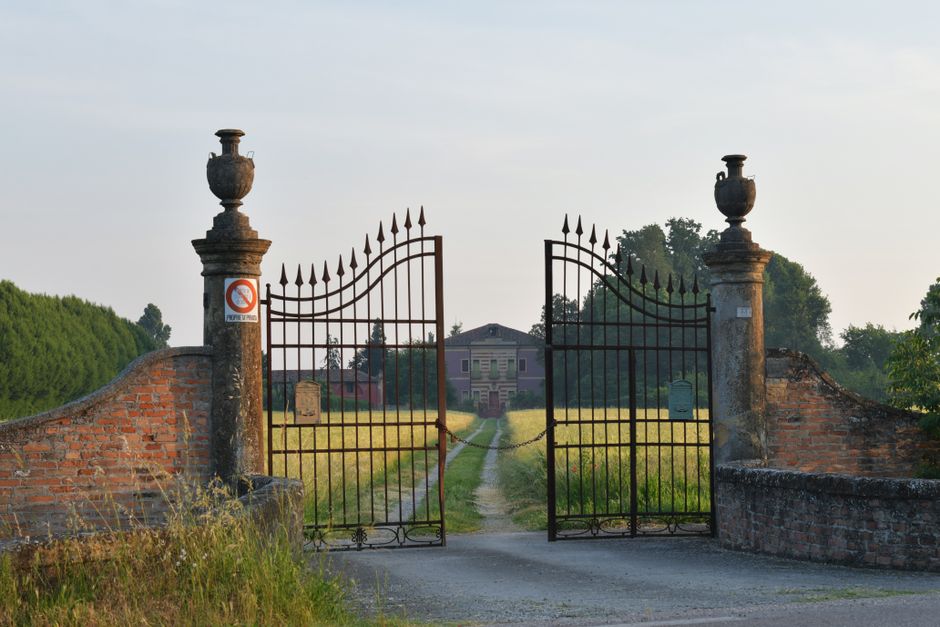
An operator for a heavy estate gate must be chosen for the weight and length of the leaf, not for the look of the cabinet. On the long driveways found around Leander and Liberty Hill, power distance and backup matter just as much as raw strength. The overview at estate gates leander bad dog tavern covers the same ground.
Match the Operator to the Leaf

Operators are rated for a maximum leaf length and weight, and wind adds to the real load. An undersized operator runs hot, wears quickly and may stall on a gusty day. Choose one with a comfortable margin above the actual weight, and ask how the number was calculated.
Linear and Articulated Arms
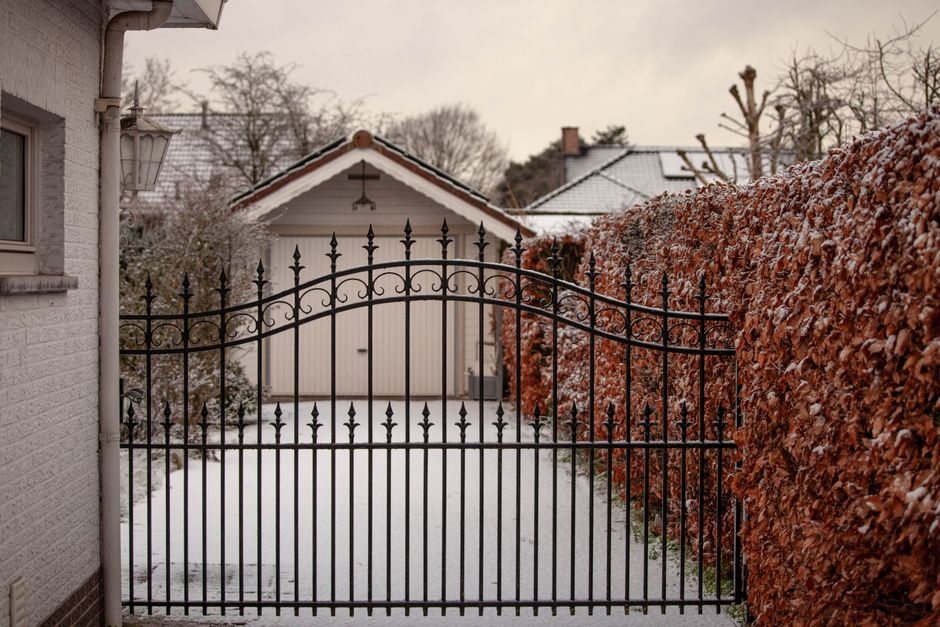
Linear arms push and pull the leaf in a straight motion and suit many layouts. Articulated arms fold as the gate moves, which helps when there is little space beside the pier. Underground operators hide inside the ground and keep the entrance clean, but they need good drainage, which can be difficult in rocky soil.
Power Reaches Far
A gate at the end of a long driveway may be hundreds of feet from the house. Running power that distance means trenching, and in limestone that is slow work. Solar charging is an alternative where the gate gets plenty of sun, though batteries then need to handle summer heat and shorter winter days.
Battery Backup
A storm can cut power, and a heavy gate that cannot open is a real problem. Battery backup keeps the operator working through an outage for a limited number of cycles. Ask how many cycles to expect and how the batteries are tested.
Manual Release
Every operator should allow the gate to be moved by hand when needed. Know where the release is, who has the key and how heavy the leaf feels when disconnected. Test it once so nobody is surprised during an emergency.
Safety Devices
Heavy gates need working photo eyes, contact edges and obstruction sensing. These devices protect children, pets and vehicles, and they should be tested after installation and again each season.
Noise and Speed
A heavy leaf should travel at a steady, moderate speed and stop gently at each end. Slamming into a stop wears hinges and piers. Many control boards let the installer adjust speed and the slow-down point, so ask that it be set for the actual weight of the gate.
Service Access
Place the operator where a technician can reach it easily. Cabinets buried behind shrubs or squeezed beside a pier slow every future repair. A little working room around the unit pays off for years.