What Makes a Gate an Estate Gate
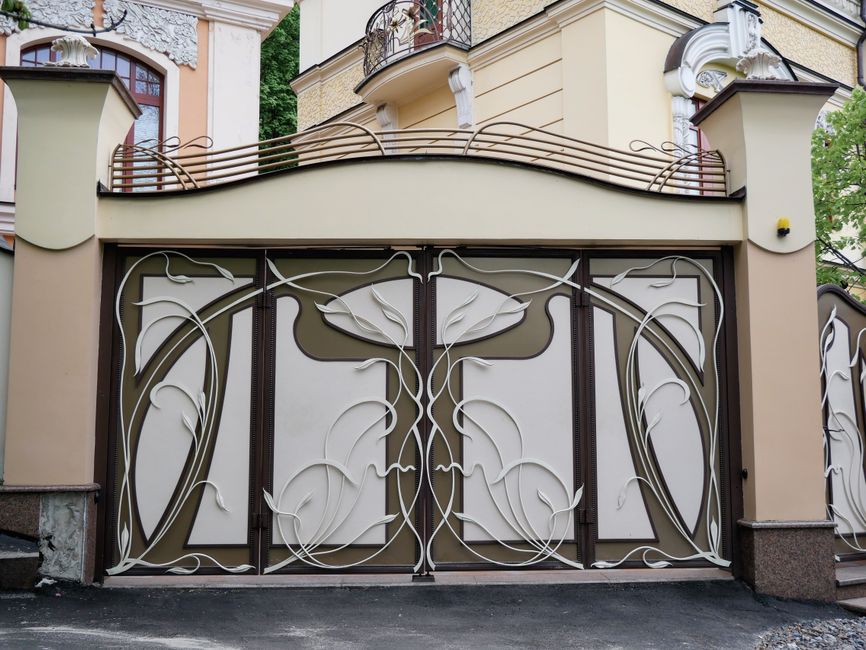
An estate gate is a large entrance gate, usually a pair of swing leaves, built to match the scale of a long driveway and a substantial property. Around Leander the term covers everything from a wrought iron pair at the end of a neighborhood lot to a grand steel entrance on acreage near Liberty Hill. The overview at estate gates leander bad dog tavern takes the same plain approach.
Size and Weight Set Them Apart

Most estate gates are wider than a single car lane, often wide enough for two vehicles or a delivery truck to pass comfortably. Width brings weight, and weight changes the posts, the hinges and the operator. A leaf that would be easy to push when small becomes a serious load once it is twelve or fourteen feet long.
Design Carries More Detail

Estate gates tend to include arched or curved tops, decorative scrollwork, finials, solid lower panels and matching side panels or walls. Each feature adds material and complexity. Solid panels catch wind, scrollwork collects dust and moisture, and curved tops need precise fitting so the two leaves meet cleanly in the center.
The Entrance Is Part of a System
An estate entrance is rarely only a gate. It usually includes piers or columns, lighting, an intercom or keypad, a power run, and sometimes landscaping and a turnaround. Planning these pieces together avoids rework, such as cutting into a finished driveway to add conduit that should have been placed earlier.
Local Conditions Shape the Build
Limestone soil sits close to the surface in much of Williamson County, so the footings that hold a heavy gate need careful attention. Hill Country summer heat also stresses finishes and electronics. A gate that looks wonderful on installation day still has to hold its shape, color and alignment through many hot, dry months followed by sudden heavy rain.
Questions Worth Asking
Ask how the leaf weight was estimated, what the posts or piers are set into, how the finish handles direct sun, and where the operator and power will sit. Ask how the leaves will be held open and closed in wind. A confident answer to each shows the installer has handled estate-scale work before.
A Measured Visit Comes First
Because every property differs, nobody can fairly recommend an estate gate from a photograph. Slope at the entrance, driveway width, distance from the road and the position of power all matter. Expect a good installer to walk the entrance, measure it and ask how the household uses the driveway day to day.
Think about who will use the gate and when. A family with several drivers, a rotating set of service providers and regular deliveries has different needs from a couple who open the gate twice a day. Writing that down before the visit helps the installer choose hardware that fits.