Gate Piers and Columns in Limestone Soil
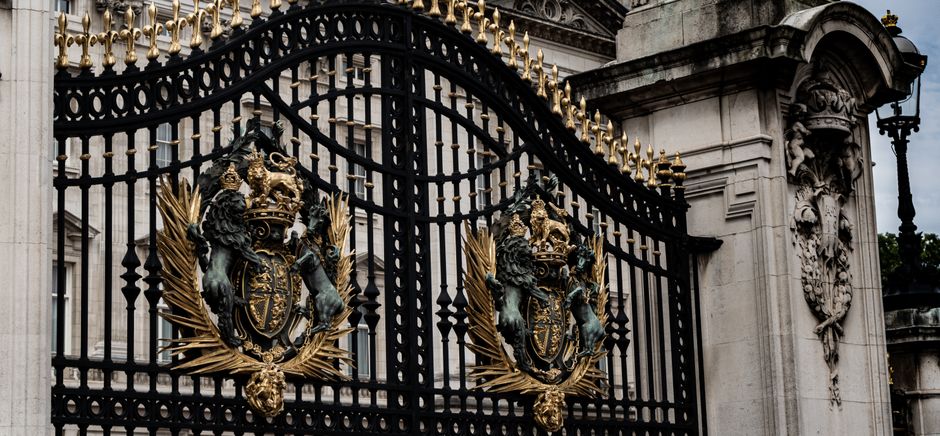
Piers and columns for an estate gate need footings that reach stable ground, and in much of Leander that ground is limestone close to the surface. The footing is the part of the entrance nobody sees, yet it decides whether the gate still closes cleanly in five years. The notes at estate gates leander bad dog tavern explain why this comes first.
Why Footings Matter So Much
A pier carries the hinge load of a heavy leaf and the twisting force every time the gate swings or catches wind. If a footing settles even slightly, the hinge line tilts and the leaf starts to sag or drag. Estate leaves are heavy enough that small movement shows up quickly.
What Limestone Does to the Work
Limestone can stop a drill rig early, force an installer to use heavier equipment, or leave a footing resting partly on rock and partly on soil. Uneven bearing is the real concern, because the two parts of the footing respond differently to moisture. A careful crew checks depth and bearing at every post location rather than assuming each hole matches the last.
Piers Versus Simple Posts
A masonry or stone pier is much heavier than a steel post, so it needs its own footing sized for that load. Hanging a gate from a pier that was not engineered for it is a common cause of cracks and leaning. Ask whether the gate hardware will attach to a steel core inside the pier or to the masonry alone.
Drainage Around the Base
Water behaves unusually where thin soil sits on rock. After a hard Hill Country rain it can pool around a footing or run along the rock surface. Grading the area so water moves away from the piers protects the footing and the finish at the base of each column.
Cure Time and Patience
Concrete needs time to cure before it carries a full gate load. Hanging heavy leaves too soon can start a lean that never fully corrects. A good installer schedules the work so footings cure first, then piers are built, then hardware and leaves go on.
What to Ask
Ask how deep each footing will be, what happens if rock appears earlier than expected, and how the piers will be tied to the footings. Ask also how conduit for power and control wires will run past the footings without being damaged during excavation.